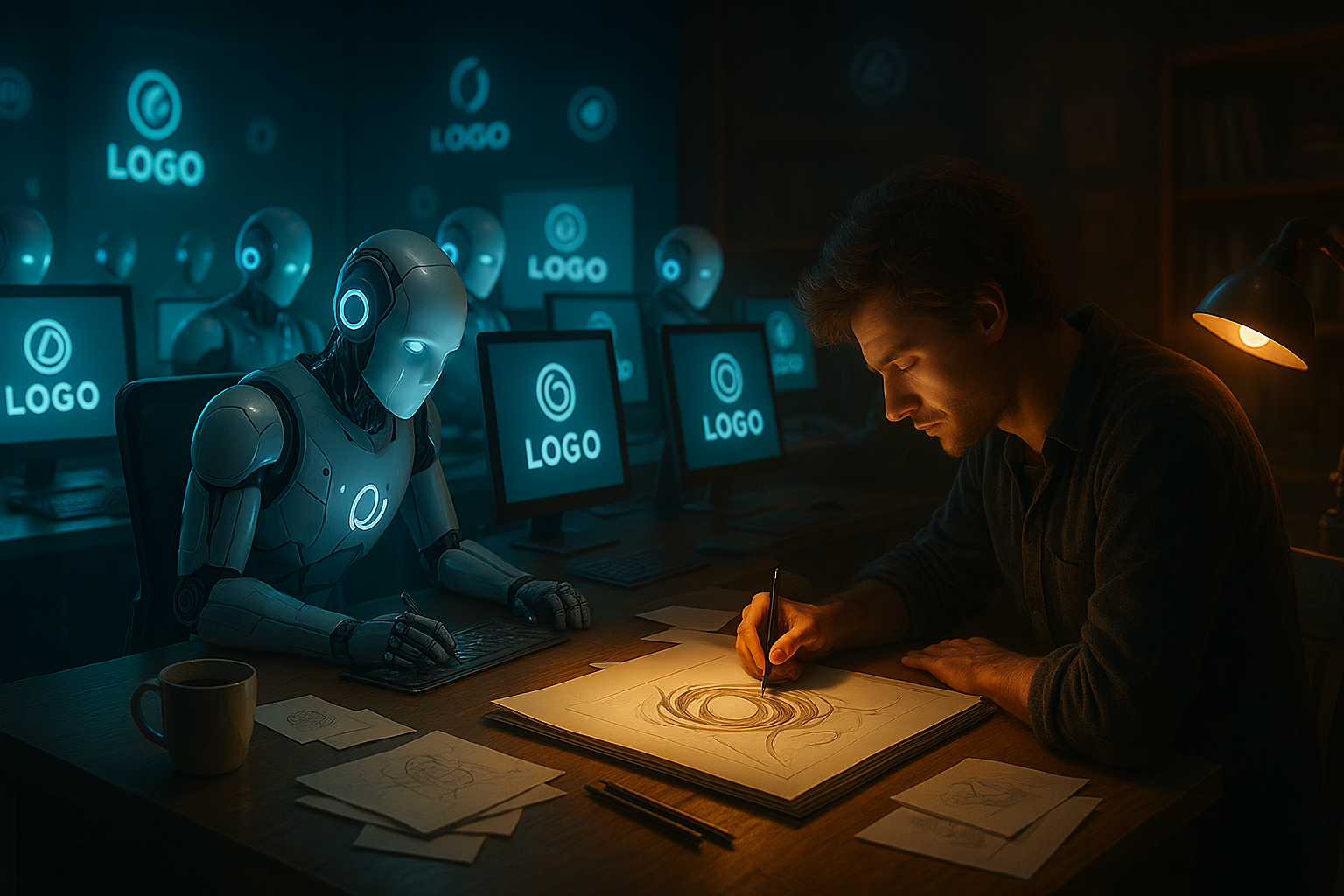
When Creativity Gets Replaced by Code
How AI Is Quietly Destroying Small Creative Businesses
Artificial Intelligence promised efficiency, but it's quietly dismantling the soul of creative work.
What was once crafted by imagination, intuition, and risk-taking is now being replaced by one-click solutions: logos, websites, and "brand kits" generated in seconds.
But here's the problem: speed doesn't equal creativity.
AI Is Not the Enemy. Misuse Is.
AI can be an incredible assistant when guided by a real creative mind.
The danger begins when people hand it the steering wheel instead of the tools.
Asking AI to "make a logo" or "build a website" without strategy, emotion, or purpose only leads to replicas of replicas, recycled ideas pretending to be innovation.
The Cloning Effect
Every algorithm learns from what already exists. The more it's used without vision, the more it repeats itself.
We're now watching an industry flood with identical brand identities, sterile color palettes, and meaningless websites.
Small studios, the ones who used to inject originality into the market, are being drowned out by a tidal wave of sameness.
The Cost of "Free" Design
Many small business owners turn to AI because it's cheap and fast. But what they gain in convenience, they lose in authenticity.
When everyone's brand looks the same, no one stands out.
AI didn't destroy creativity. Humans did, by treating design as a checkbox instead of a process.
Human Intuition Still Wins
The best designers don't just create visuals. They translate emotion into form.
They ask questions, find meaning, and uncover what makes your story unique.
AI can't feel your vision, understand your market, or challenge your thinking. It can only imitate what's been done before.
How REDXEL Uses AI, Responsibly
At REDXEL, we believe AI should assist, not replace, human creativity.
We use AI tools to generate supportive visuals, such as blog artwork, concept imagery, and certain website sections, where it enhances presentation and saves time.
However, our core creative production (branding, graphics, illustration, and identity design) remains entirely crafted by human hands.
Every logo, every composition, and every campaign is drawn, refined, and finalized by real designers.
The Future Depends on Us
We can either let AI define the creative industry, or redefine how we use it.
The right way isn't to outsource imagination, but to amplify it.
Used wisely, AI can help creatives build faster, think broader, and test more. But it can't replace the spark that starts the idea in the first place.
Final Thought
The creative field doesn't die when machines learn. It dies when humans stop caring.
Don't just click "generate." Think. Sketch. Feel.
Because the moment creativity becomes predictable, it stops being creative.
Protect Your Creativity. Build With Purpose.
At REDXEL, we don't fear AI. We master it.
We use it to enhance storytelling and visuals where it makes sense, but never at the cost of originality.
Every brand identity we design is made by people, not algorithms.
Work With a Real Creative Partner
Concept to Product Ready
From Bright Idea to Tangible Design: How Concepts Become Market-Ready Products
Every great product starts as a spark, a concept that dares to exist.
But between that first sketch and the shelf-ready design lies a storm of creativity, testing, and refinement.
This is where vision meets execution, where the abstract becomes real.
It All Starts with a Spark
A conversation. A problem. A "what if?" moment.
That's how every product begins, in the imagination.
At this stage, the goal isn't perfection. It's possibility.
Ideas are free to evolve, shift, and merge until one concept stands out with true potential.
From Sketch to Strategy
The next step is structure. Research. Sketches. Moodboards.
Designers, engineers, and strategists collaborate to define what makes the concept stand out:
its purpose, audience, and impact.
The product's DNA takes form long before the first prototype is built.
Where the Chaos Begins
Then comes the whirlwind: mockups, revisions, renders, and tests.
Colors shift. Dimensions change. Someone says, "What if we rotate it 2°?"
This phase looks wild, but it's where innovation happens.
Every adjustment brings the idea one step closer to being market ready.
Testing Reality
Real-world application separates great concepts from great products.
Function meets form: durability, usability, emotion.
Aesthetics are refined for both human experience and production feasibility.
The result is something that doesn't just look amazing. It works.
The Moment It Clicks
There's a point when the prototype feels alive, when every curve, texture, and color simply fits.
That's when you know: the concept has transformed into a product ready for the world.
- Every great product is a story of evolution
- Design and function are inseparable
- Perfection is found through iteration
The Payoff
From napkin sketch to market shelf, the process is rarely neat,
but when done right, it delivers more than a product.
It builds connection, emotion, and identity.
That's what turning a concept into a product-ready masterpiece is all about.
Have a Concept That Deserves the Spotlight?
At REDXEL, we transform raw ideas into production-ready designs,
blending creativity, technology, and precision to make your concept real.
Start Your Project

Working With a Designer: Chaos or Clarity?
Why Good Creative Partnerships Feel Wild, But Work Wonders
Deadlines. Revisions. Emails. Exploding feedback threads.
Working with a designer can feel chaotic, but done right, it's the most powerful partnership your brand will ever have.
Creative Work Isn't Linear
Design isn't factory work. It's built on exploration, feedback, iteration, and trust.
Yes, things fly, like papers, ideas, and sometimes deadlines, but great output often comes from a messy desk and a clear vision.
Client + Designer = One Team
When you're aligned, you move fast. You brainstorm, test, tweak, and refine, together.
A great designer doesn't just make things pretty. They ask hard questions, solve real problems, and bring your brand to life.
Revisions Are Not Failure
Revision rounds aren't signs of trouble. They're signs you care.
Most polished visuals go through 3–5 thoughtful rounds before they're ready.
You're not slowing things down. You're tuning them to hit the mark, but also... trust in your designer.
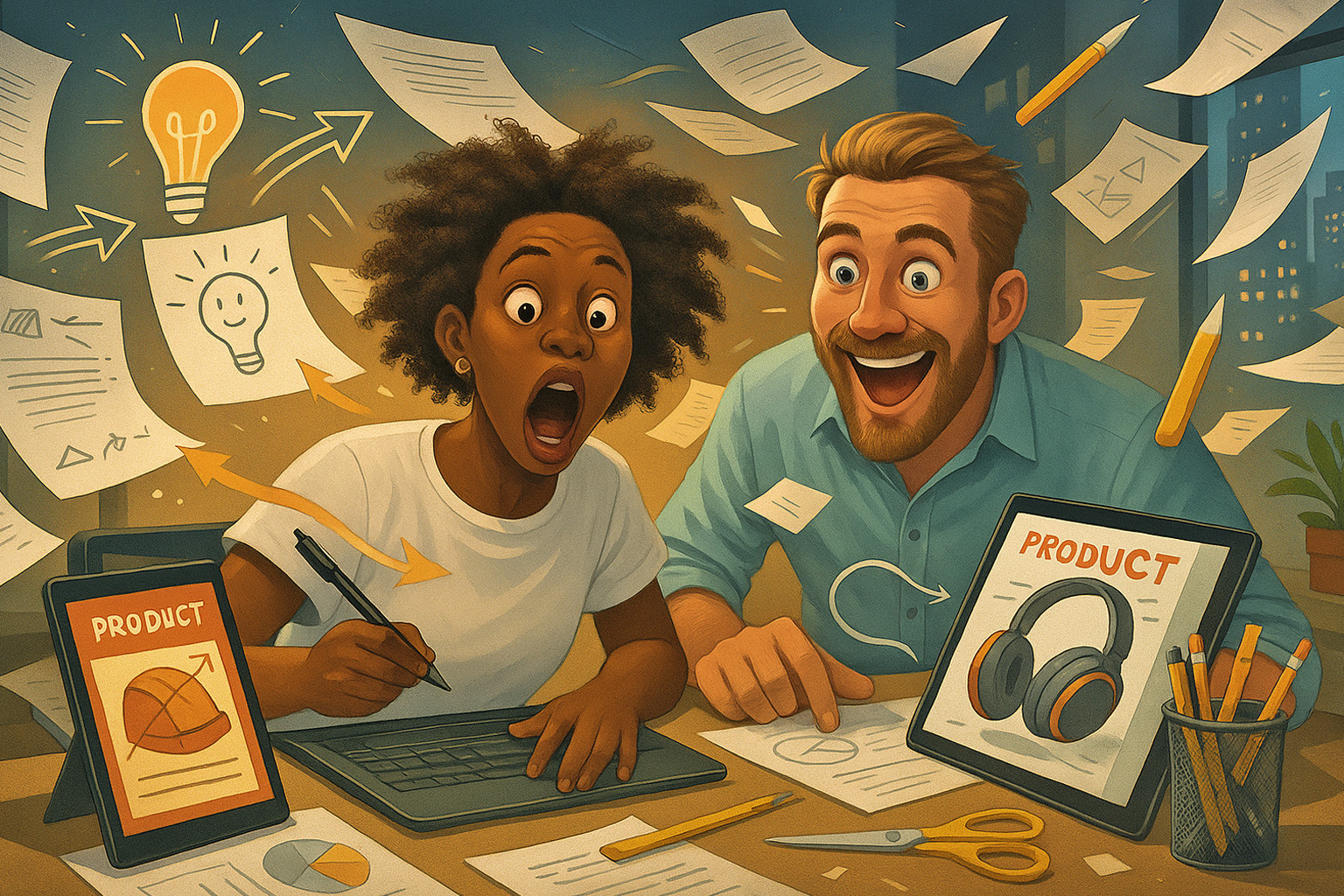
It Might Feel Like This Image
You're wide-eyed. Your designer is sketching with caffeine-fueled intensity.
Files are flying. Someone's yelling "Deadline!" while someone else is shouting "Version 8 is the one!"
But then... it lands. And it's perfect.
The End Result?
- Visuals that feel right
- Messaging that connects
- A brand that customers remember
Final Advice
If you're not laughing, revising, or running out of coffee…
You're not doing branding right.
Choose a designer who embraces the mess, organizes the magic, and keeps you focused on what matters.
Looking for a Designer Who Gets It?
At REDXEL, we thrive on creative energy, clear process, and bold results. If you're ready to build something memorable, we're ready to make it happen.
Start Your Project
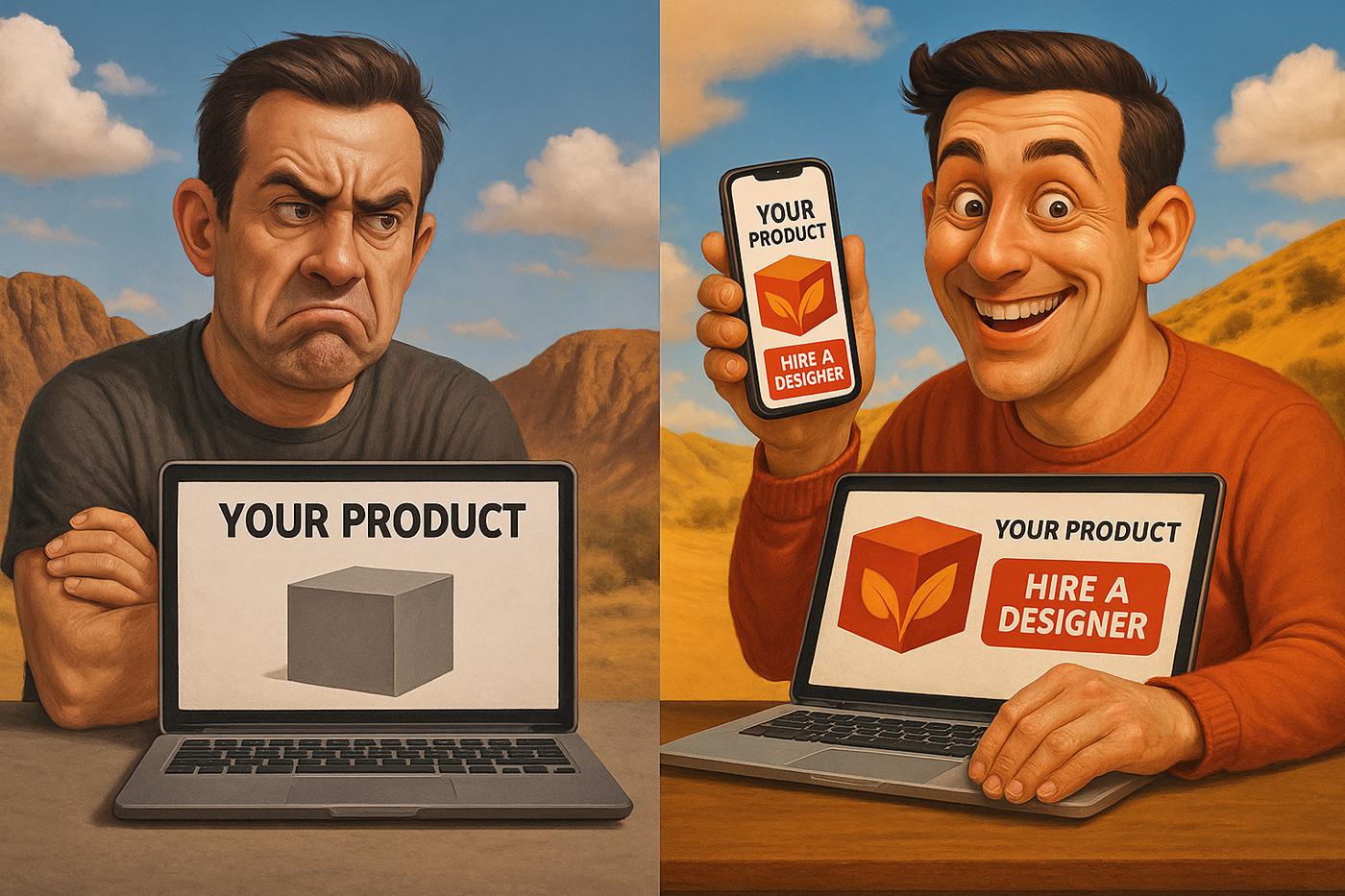
White Label for Your Product: How to Hire a Designer in 2026
Build Brands Without Building a Design Team
White label design lets you add professional polish to your product
without hiring full-time staff. Whether you're launching an app, a
beverage line, or a new service, a designer can quietly shape the
visuals while you focus on growth.
What Is White Label Design?
White label design is when a creative partner designs assets for your
product, but your company puts its name on it. It's seamless and efficient.
Think of it as having a skilled teammate who never needs payroll, benefits,
or office space. Just results.
Why Hire a Designer Instead of DIY?
Templates and AI tools can't replace experience, originality, and
strategy. A designer brings:
- Consistent brand identity across every touchpoint
- Logos and packaging that stand out on crowded shelves
- Websites that feel trustworthy and professional
- Marketing collateral that communicates clearly
How to Hire the Right Designer
Don't just hire for style. Hire for fit. Look for:
- A portfolio that shows range and adaptability
- Clear communication and fast responses
- Experience with your industry (or at least your audience)
- Flexibility with formats: print, digital, packaging, and web
When White Label Makes Sense
White label is smart if:
- You run an agency and want to offer design without hiring in-house
- You're scaling a product quickly and need consistent visuals
- You prefer your brand to be the only name in front of customers
The Hidden Value
Beyond the designs themselves, a good designer gives you clarity
and confidence. You'll spend less time worrying about colors,
typography, and layouts, freeing up more time to run your business.
Final Advice
In 2026, polished visuals are no longer optional. Whether
you're selling software, coffee, or consulting: design is the
trust signal your customers notice first.
If you want your product to look as strong as it performs, invest in
design, whether white label or direct hire. The ROI is always higher than
doing nothing.
Need a Designer You Can Trust?
At REDXEL, we specialize in logos, branding, websites,
and white label solutions for agencies and product teams.
Hire once, scale everywhere.
Start Your Project

What This Dusty Bike Ride Can Teach You About Speed, Advertising, and Exaggeration in 2026
Marketing Isn't Quiet, and It's Not Always Polished
What do a dusty dirt bike, a joyful scream, and a megaphone have to do with your brand message?
Everything.
Marketing today demands speed, clarity, timing, and just the right amount of exaggeration to break through the noise.
And this absurd, high-energy desert ride is the perfect metaphor.
Don't Whisper Your Message
The megaphone in the image isn't just for laughs. It's a symbol. Your brand needs to shout clearly and consistently.
If your message can't be understood in three seconds, it's getting lost in the wind.
Whether it's your headline, ad, or product hook: amplify your message.
Punctuality Builds Trust
Speed doesn't mean rushing blindly. The man steering this wild ride has a purpose: get there fast, and get there on time.
Your audience expects timely launches, consistent updates, and relevant posts. When you're late, you look outdated.
Punctuality = dependability.
Yes, You Should Exaggerate (Sometimes)
The wild eyes, the flying hair, the comic energy: these exaggerations make the story stick.
The same applies to your marketing. Exaggeration, when done with purpose, fuels memorability.
It adds flavor, emotion, and story. So go big on emotion, excitement, or outcomes... just back it with truth.
Realism Still Wins
Despite all the chaos, this image is grounded: the dusty frame, the clear direction, the real terrain.
Your marketing should be the same: exciting, but grounded. Don't fake results. Don't over-promise.
Make it dynamic, but make it honest.
Leave a Wake
The trail of dust behind that bike? That's your campaign residue: impressions, shares, reposts, referrals.
If your brand flies by without leaving a trace, you've wasted momentum.
Every touchpoint should kick up dust.
Final Advice
In 2026, attention is earned through velocity, clarity, and bold storytelling.
You don't need to be perfect. You just need to be present, punctual, and purpose-driven.
Grab the megaphone. Embrace the chaos. And remember: marketing should feel like an adventure worth remembering.
Want Marketing That Actually Moves People?
At REDXEL, we don't do boring. We build campaigns that stand out, with speed, soul, and strategic impact.
Let's get loud together.
Start Your Project
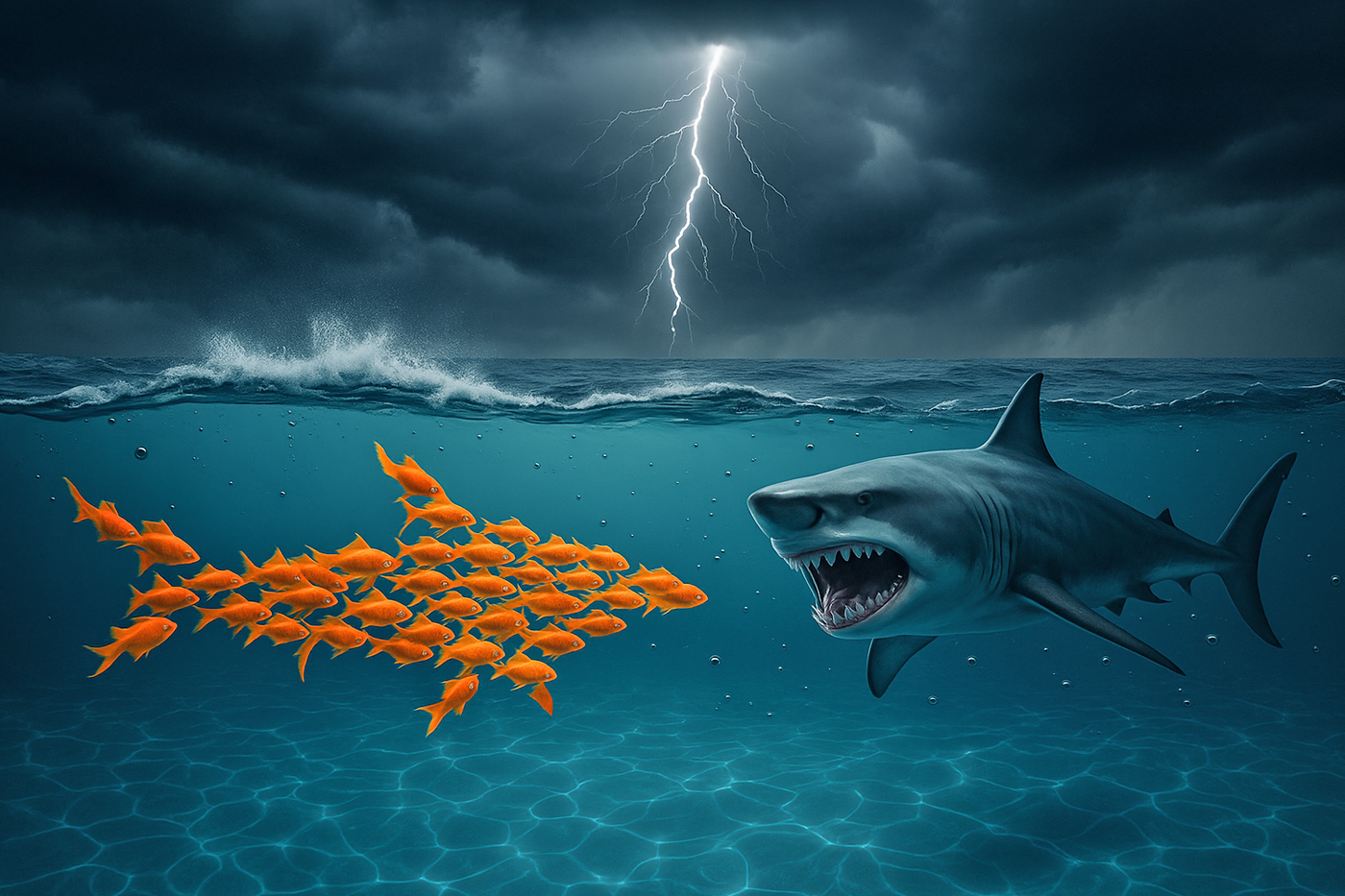
Why Your Small Business Still Deserves a Professional Logo in 2026
Future-Proof Identity Starts With Intentional Design
When starting a small business, one of the first real questions you'll face is:
"Do I really need a professional logo?"
The answer is yes, now more than ever.
Skipping proper branding is one of the biggest missteps new entrepreneurs make.
A well-designed logo is more than just an icon. It's the foundation of your identity.
And in 2026, your logo doesn't just represent your business.
It builds credibility, trust, and recognition in seconds.
The Budget Myth (Still Around)
No, a real logo doesn't cost $5. Good design requires strategy, time, and skill.
But you don't need $15,000 either. Most small businesses thrive with a thoughtful
investment between $300 and $1,000.
Crowdsourcing? Proceed With Caution
Platforms offering $25 logos often deliver stock icons and generic templates.
Worse, they can come with copyright risks and zero strategy. Your brand deserves better.
What If You Try DIY?
Creativity is great, but reality matters. DIY tools might give you fast results,
but not effective ones. Branding requires clarity, industry relevance, and consistency.
Without those, you're wasting your first impression.
Designers, Contracts, and Kill Fees
If you hire a designer and it doesn't work out, make sure you're protected.
Read your contract. Most include a "kill fee" clause (typically 25–60%) that compensates
the designer if the project ends early.
Your Logo Needs to Match Your Field
You're selling bananas, but your logo says dog grooming. That kind of mismatch confuses buyers.
Your visual identity should speak to your audience, not just reflect your personal taste.
Designers Aren't All Egotistical
Many take pride in their work, and that's a good thing. A solid designer won't let
you publish something outdated or ineffective because their name is attached to it, too.
Final Advice
In 2026, competition is everywhere. Your identity is your differentiator.
Work with a design partner who understands your industry, like REDXEL.
Ask hard questions. Bring your ideas. Be bold, and build a brand that lasts.
Need a Logo That Grows With Your Brand?
Work with REDXEL to create an identity that's clear, credible, and conversion-ready.
Stop sending mixed signals. Start standing out.
Start Your Logo Project